
Deep Dive
来自我们记者的行业洞察
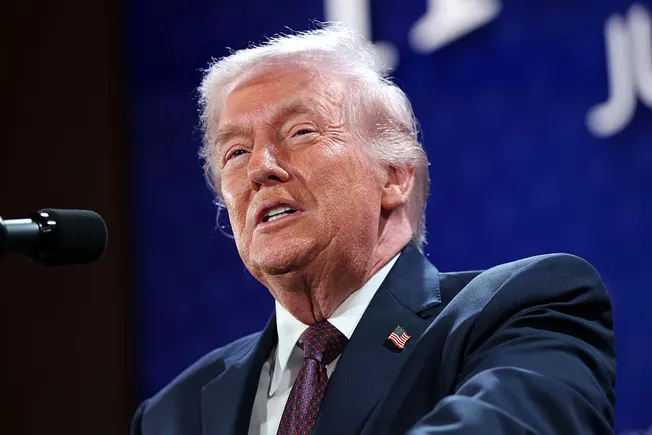
Four Policy Trends Higher Education Administrators Should Watch in 2026
The policy turmoil of 2025 did not dissipate with the New Year's bell. Higher education experts warn that as the Trump administration continues its efforts to reshape the higher education landscape, more shocks are on the horizon. Campus leaders should prepare for federal pressure, including influence through new avenues such as accreditation, while continuing to address attacks on diversity, equity, and inclusion (DEI) initiatives. This article outlines four major policy trends to watch in 2026 and expert predictions.

Five Lawsuits to Watch in Higher Education in 2026
The policies and actions of the Trump administration have triggered multiple legal challenges in higher education, involving research fund freezes, indirect cost caps, the elimination of DEI funding, student free speech, and campus speech restrictions in Texas. This article outlines five key lawsuits to watch in 2026, analyzing their progress and potential impact.
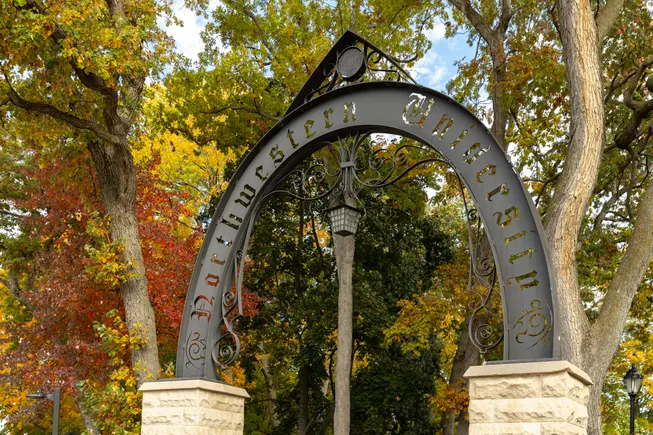
Northwestern University reaches $75 million agreement with Trump administration, experts question its stance on free speech
The $75 million agreement between Northwestern University and the Trump administration has sparked controversy over free speech. The agreement restricts racial considerations in admissions, campus displays, and overnight protests, and cancels agreements with pro-Palestinian protesters. Experts believe the agreement may violate the First Amendment.
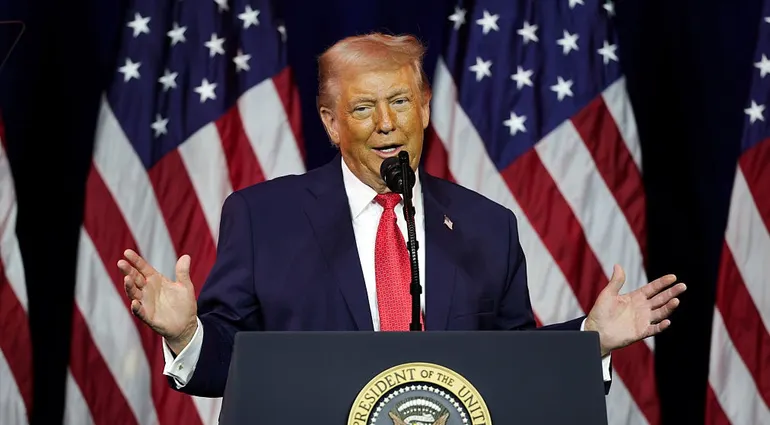
Impact of Trump's Second Term First Year on Higher Education: Eight Key Figures
In the first year of Trump's second term, the federal government intervened in higher education through unprecedented means, prompting difficult choices for universities between independence and financial pressure. This article uses eight figures as a thread to review major changes, including the number of investigations, settlement agreements, research funding cuts, Education Department layoffs, and revocation of international student visas.

Six Major Trends in Higher Education for 2026
Trump's first year back in the White House brought profound changes to American higher education, and this trend is expected to continue in 2026. This article outlines six key trends affecting the higher education sector, covering federal enforcement, the role of university boards, budget cuts, the implementation of the OBBA Act, international student policies, and financial pressures.

Overseas Opportunities Emerge: Will U.S. Higher Education Researchers Drain Away?
The Trump administration's massive cuts to federal research funding have raised concerns among U.S. higher education researchers about their career prospects. Europe, China, Canada, and other countries are seizing the opportunity to step up recruitment. Experts warn that a talent drain could weaken America's innovation advantage, but also note that a large-scale exodus in the short term remains uncertain.
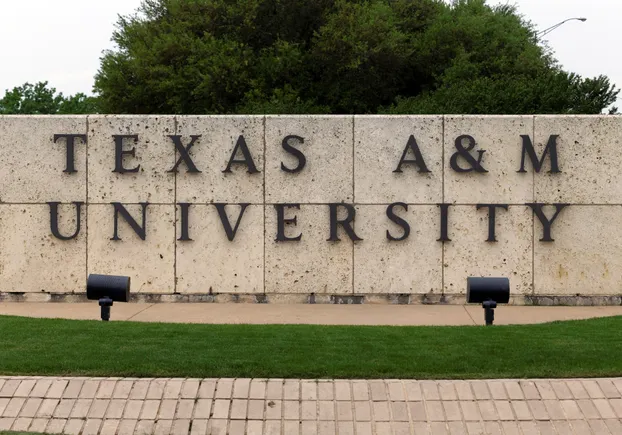
Texas A&M University Collaborates with Google on AI Training: A New Paradigm of AI Education in Higher Education
In early October, long lines formed on the Texas A&M University campus as hundreds of students and approximately 400 faculty and staff received AI tool training from Google employees. This is part of Google's three-year, $1 billion AI education program, with the Texas A&M University System being one of over 200 institutions participating. The article provides an in-depth analysis of the motivations behind this collaboration, the teaching value of AI tools, and concerns within the education community about AI's potential impact on cognitive abilities.
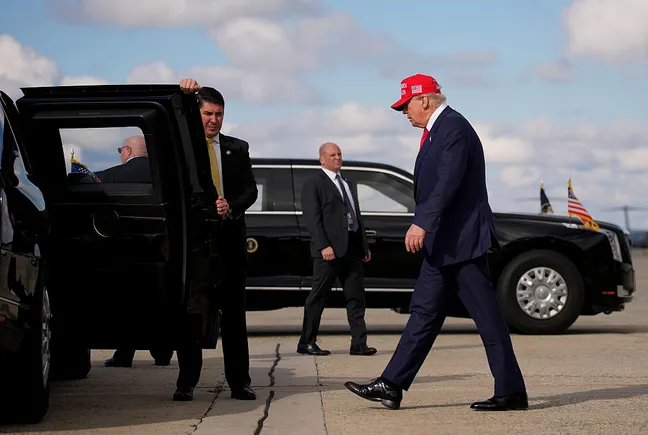
Experts Warn: Research Funding Executive Order Could Stifle Scientific Innovation, Ushering in 'the End of an Era'
U.S. President Donald Trump signed an executive order on August 7 requiring political appointees at federal agencies to review research funding projects to ensure they align with the government's 'priorities and national interests' and to avoid funding projects that recognize concepts beyond the gender binary or promote 'anti-American values.' Experts warn that this move will bypass peer review, potentially stifle scientific innovation, diminish the U.S. scientific standing, and affect the next generation of scientists.
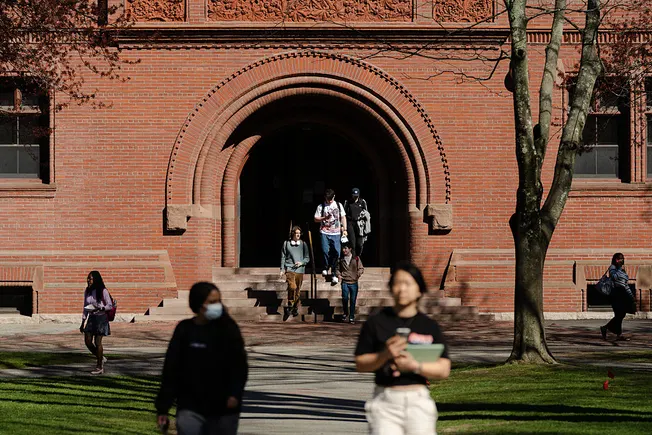
Trump administration's crackdown on universities under Title VI of the Civil Rights Act sparks legal controversy
Harvard University won its lawsuit in September, restoring approximately $2.2 billion in federal funding and temporarily thwarting the Trump administration's approach of using civil rights investigations to pressure universities. However, the administration has filed similar allegations against multiple universities, including seeking a $1.2 billion settlement from UCLA. Legal experts are engaged in heated debate over whether the administration is abusing Title VI of the Civil Rights Act.
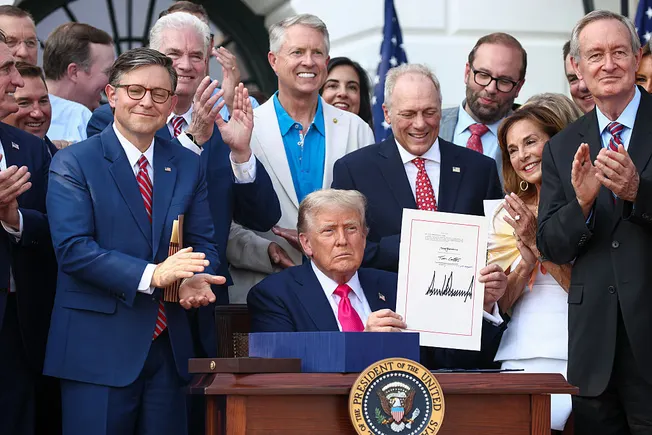
What Does the End of Grad PLUS Loans Mean for Higher Education?
The U.S. Grad PLUS graduate loan program will end for new applicants after July 1, 2026, with a new lifetime borrowing cap. The program previously provided graduate students with uncapped federal loans covering the full cost of attendance. Experts warn that ending the program may make graduate education unaffordable for some students or force them into the private loan market with higher interest rates, potentially affecting graduate enrollment and institutional finances.