Deep Dive
来自我们记者的行业洞察

Higher Ed Dive Trendline on Artificial Intelligence
A new survey released by Instructure shows that 90% of college students use AI in the classroom, as do 61% of instructors. However, only 11% of higher education instructors have received comprehensive AI training, and 41% have not received any formal training. The survey also found that 65% of students and instructors are concerned about AI appearing confident even when it makes mistakes, and they call on institutions to provide practical training and clear guidance.
Broward College board, president reach $430K separation agreement
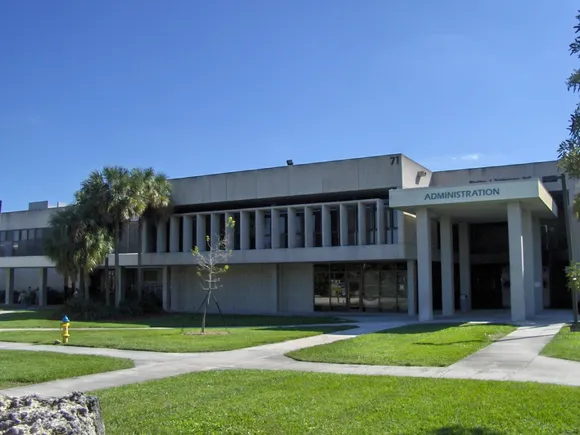
The Broward College Board of Trustees and President Torey Alston reached a mutual termination agreement on Tuesday, ending a turbulent removal dispute. Under the agreement, Alston will receive $430,000 and immediately resign as president, while withdrawing his lawsuit and HR complaint. Previously, the board had attempted to terminate Alston without cause, but the court required mediation first.
University of Utah to shutter Sandy location in January
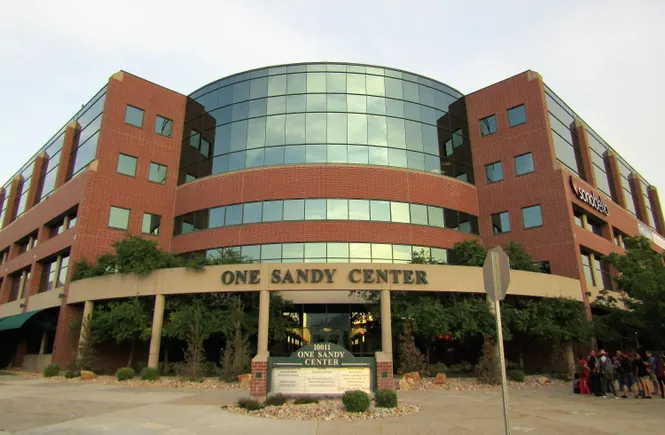
The University of Utah, due to a state directive requiring the reallocation of nearly $20 million in funds, has decided to close its Sandy satellite campus on January 1, 2026. The campus primarily offers general education courses, and its closure is expected to save on facility and administrative costs. Fall courses will proceed as usual, with only 33 of the approximately 660 students relying solely on courses at this campus.
Education Department takes first step to strip ABA of accreditation authority
U.S. Department of Education staff released a report on Friday recommending revocation of federal recognition of the American Bar Association (ABA) Council on Legal Education and Admissions. The council accredits nearly 200 law schools, but only directly affects federal student aid eligibility for over a dozen independent legal education institutions. The dispute between the Education Department and the ABA centers on accreditation independence and diversity standards, with a hearing scheduled for September 23.
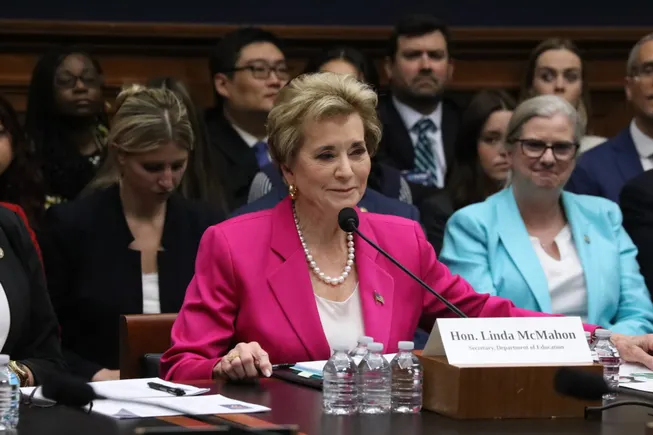
Education Department proposal would make it easier to end grants
On August 24, the U.S. Department of Education published a proposed rule in the Federal Register aimed at amending the Department of Education's General Administrative Regulations, granting the agency broader authority to terminate grants, including terminating discretionary grants for 'convenience,' requiring recipients to comply with executive orders, and allowing for phased or delayed disbursement of funds. Experts note that this will make grants more susceptible to policy changes and may trigger legal disputes.
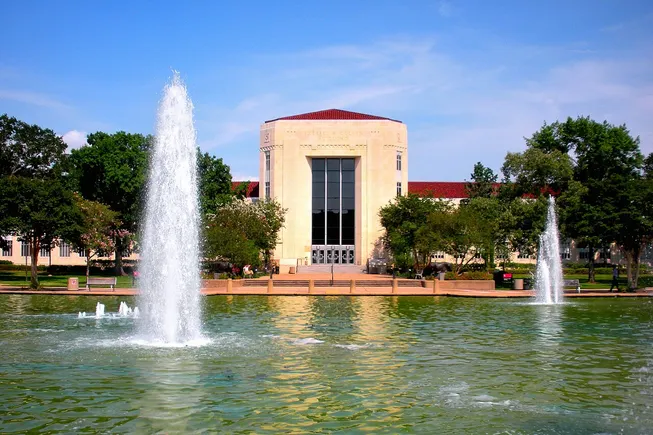
University of Houston slashes 40% of courses from its core curriculum
To comply with Texas Senate Bill 37, the University of Houston will reduce its core curriculum by about 40% for the 2026-27 academic year, affecting courses such as women's and LGBT studies. The system's Board of Regents has approved the plan, but faculty have criticized the lack of transparency in the decision-making process. Other Texas universities and states like Florida and Iowa are also strengthening oversight of general education.
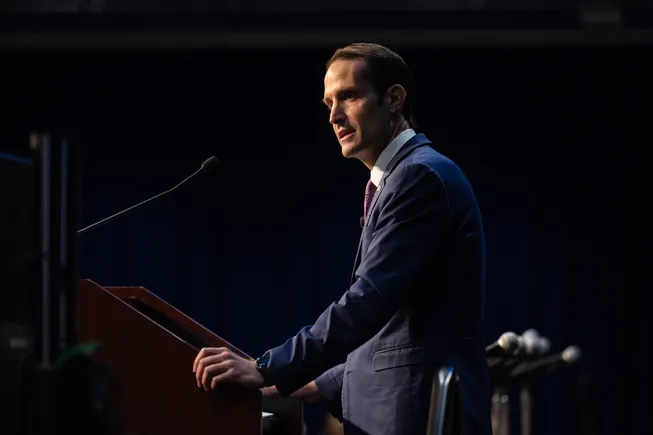
US Education Department Unveils Sweeping Accreditation Reform Proposal
The U.S. Department of Education on Wednesday released a proposed rule to overhaul the accreditation system, implementing key pillars of the Trump administration's higher education agenda. The rule would give accreditors new responsibilities, including ensuring colleges prioritize intellectual diversity among faculty and protect civil and free speech rights. Critics warn the language could undermine academic freedom and DEI initiatives.
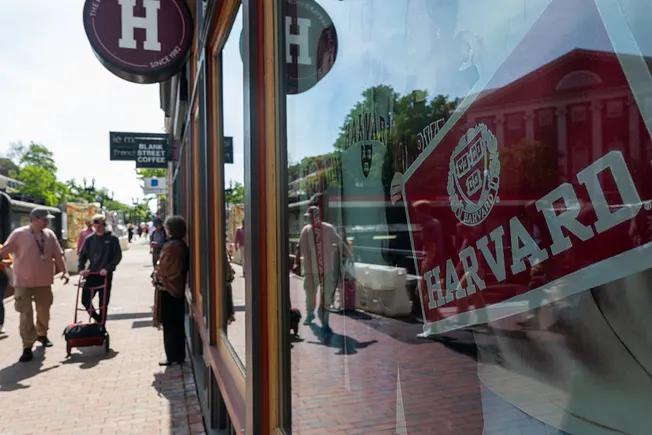
Federal Judge Dismisses Trump Administration's Lawsuit Against Harvard
This week's higher education briefing covers a federal judge's dismissal of the Trump administration's lawsuit against Harvard, an antitrust ruling against 32 selective colleges, new research on graduate mobility, and updates on discrimination lawsuits and federal policy.

Elite colleges are returning to the SAT and ACT. Will others follow?
Columbia University announced the reinstatement of standardized testing requirements for undergraduate applicants starting August 2027, making all eight Ivy League institutions abandon their pandemic-era test-optional policies. Top schools such as MIT and Johns Hopkins University had already reinstated requirements earlier. The Trump administration also explicitly supported standardized testing requirements, but its related executive order was struck down by courts. Nevertheless, over 2,000 colleges nationwide still maintain test-optional policies, and the debate over the fate of standardized testing continues to intensify amid data and equity issues.