
Deep Dive
来自我们记者的行业洞察
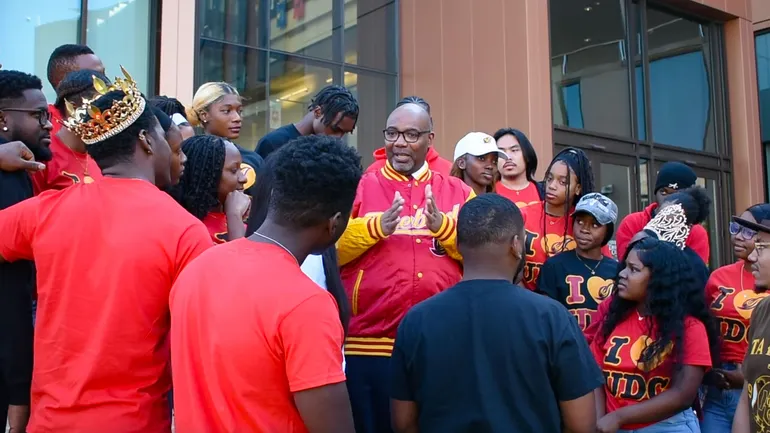
The Transformation Blueprint of the University of the District of Columbia: From a Commuter Institution to a Flagship University
Under the leadership of President Maurice Edington, the University of the District of Columbia (UDC) released its 2024-2029 strategic plan in 2024, outlining nine major goals centered on student success. The plan includes raising the second-year retention rate to 80%, increasing the graduation rate to 65%, doubling the annual number of degrees awarded to 1,500, and establishing a student success center, reforming academic advising models, and building the first on-campus dormitory. UDC also faces reputational challenges, needing to compete with prestigious private institutions such as Georgetown University, George Washington University, and Howard University, as well as public universities in neighboring states, and plans to achieve transformation by enhancing research capabilities, strengthening brand communication, and fostering regional partnerships.
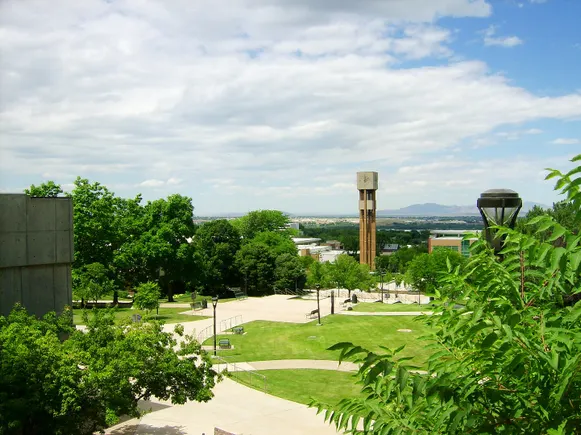
Why More Colleges Are Seeking Hispanic-Serving Institution Certification
Hispanic-Serving Institution (HSI) certification requires that Hispanic students comprise at least 25% of full-time undergraduate enrollment, and that at least half of all undergraduates qualify for federal need-based financial aid. In recent years, as the Hispanic population in the United States has grown, the number of institutions with this certification has increased from 189 in the 1994-95 academic year to 600 in fall 2023. This article analyzes the specific practices of institutions such as Milwaukee Area Technical College, Montgomery College, and Weber State University in pursuing HSI status, as well as the challenges they face in enrollment, student services, and resource allocation.
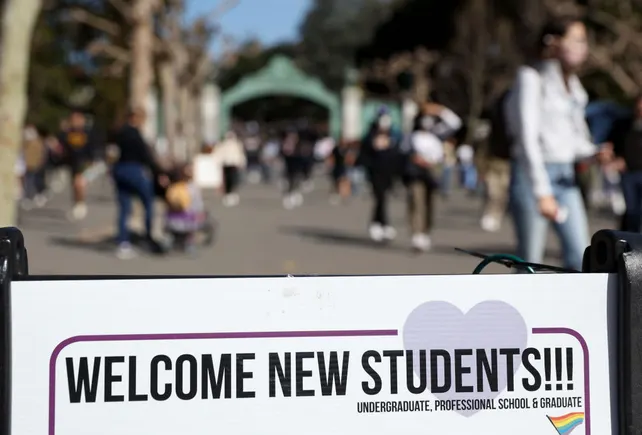
Interpretation of Preliminary Fall 2024 Enrollment Data: Decline in New Student Enrollment and FAFSA Impact
The National Student Clearinghouse released preliminary fall 2024 enrollment data, showing a 3% increase in undergraduate enrollment, but a 5% decline in first-time freshman enrollment, the first decline since the pandemic. Experts point to the chaos of the new FAFSA policy as the main cause, and note that the data has limitations, with final results to be released in January.
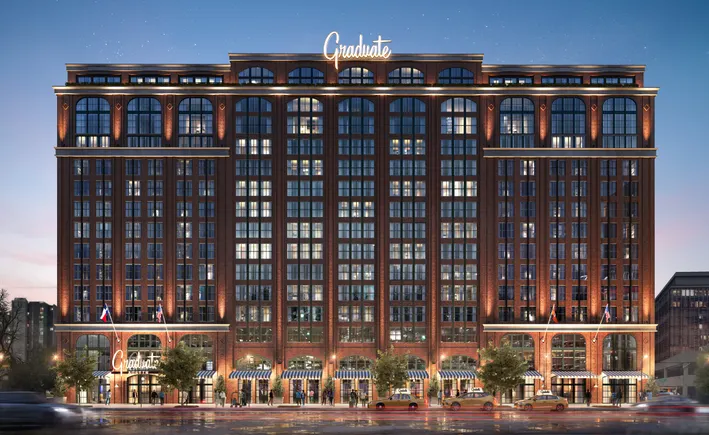
Beyond School Colors: How College Town Hotels Attract Guests with Unique Experiences
College town hotels are attracting students, families, and sports fans through immersive campus culture design, community partnerships, student staff, and sustainable amenities. However, amid enrollment fluctuations and industry uncertainty, operators are also exploring flexible strategies.

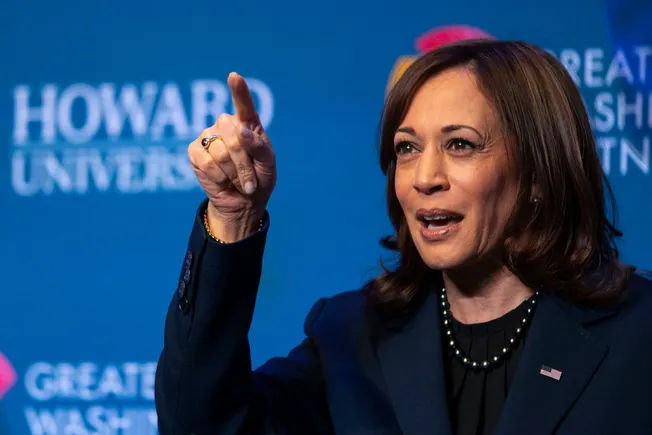
Harris Secures Democratic Presidential Nomination, HBCUs See Historic Spotlight
Vice President Kamala Harris, an HBCU alumna, securing the Democratic presidential nomination has sparked pride and anticipation at historically Black colleges and universities. Experts believe this could enhance HBCUs' social visibility, donations, and policy support, but also faces practical challenges.

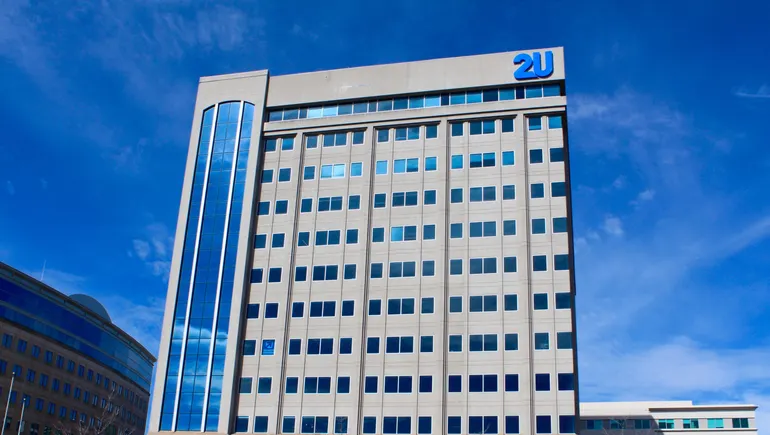
2U's Road to Bankruptcy: From Industry Peak to Chapter 11 Restructuring
In early 2021, 2U's prospects looked bright: 2020 revenue grew by more than a third to $774.5 million, with a market value of $4 billion. That same year, the company acquired edX for $800 million, but since then, market shifts, reputational damage, and debt pressures have compounded. This Thursday, 2U officially filed for Chapter 11 bankruptcy and reached a restructuring agreement with creditors.
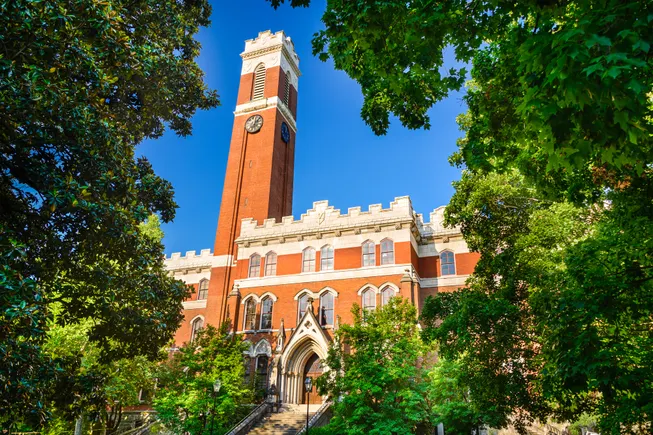
Sticker Shock: Inside the Complex World of College Tuition Pricing
Vanderbilt University's annual cost of attendance surpassing $100,000 has drawn attention, but most students actually pay a net tuition far below the sticker price. Based on federal data, NACUBO research, and interviews with multiple experts, this article reveals the prevalence of tuition discounting, sluggish growth in net tuition, the growing burden on low-income families, and the limited effectiveness of the "sticker price reset" strategy.