Deep Dive
来自我们记者的行业洞察
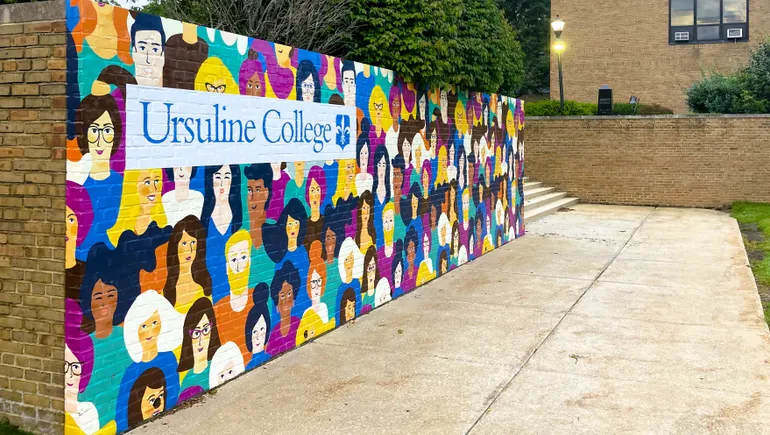
More Catholic universities merge under demographic pressure: what is really needed?
In recent years, multiple Catholic universities in the United States have opted for mergers or partnerships due to demographic shifts and financial pressures. Cases such as St. Ambrose University with Mount Mercy University, and Gannon University with Ursuline College, show that mergers require advance planning, handling cultural and operational integration, and may need larger-scale restructuring to achieve long-term stability.
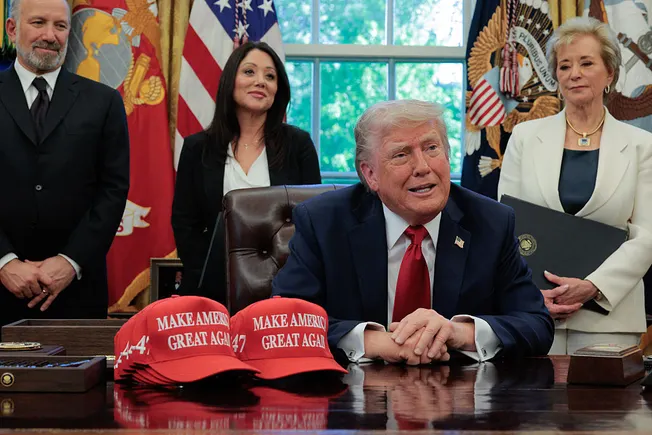
What Does Trump's Executive Order on Foreign Donation Disclosure Mean for Universities?
Since Trump returned to office, the U.S. Department of Education has investigated several prominent universities under Section 117 of the Higher Education Act. This law requires federally funded universities to disclose annual contracts and donations from foreign sources valued at over $250,000. In late April 2025, Trump signed an executive order directing Education Secretary Linda McMahon, in coordination with the Department of Justice and other agencies, to enforce Section 117 and link compliance to federal funding eligibility. Experts note that the compliance process is cumbersome and time-consuming, requiring universities to designate dedicated personnel, or they risk funding interruptions. The executive order also invokes the False Claims Act, increasing potential legal liability. Meanwhile, the DETERRENT Act passed by the House proposes lowering the disclosure threshold to $50,000 and adding contract restrictions on "countries of concern," drawing widespread opposition from the higher education community.
Risk-Sharing: A 'Well-Intentioned' Disaster for Higher Education?
House Republicans are advancing a higher education bill through the budget reconciliation process that includes 'risk-sharing' provisions, requiring colleges to pay the government for federal loans not repaid by their graduates. Supporters say this will incentivize institutions to control costs and boost student employment outcomes. However, an analysis by the American Council on Education shows that 98% of colleges would incur costs under this measure, and even with the offset of 'promise grants,' 75% of institutions would still face net losses, with historically Black colleges and universities and institutions primarily serving low-income students hit especially hard. Experts worry the policy could discourage colleges from enrolling disadvantaged students and pose significant data and administrative challenges.
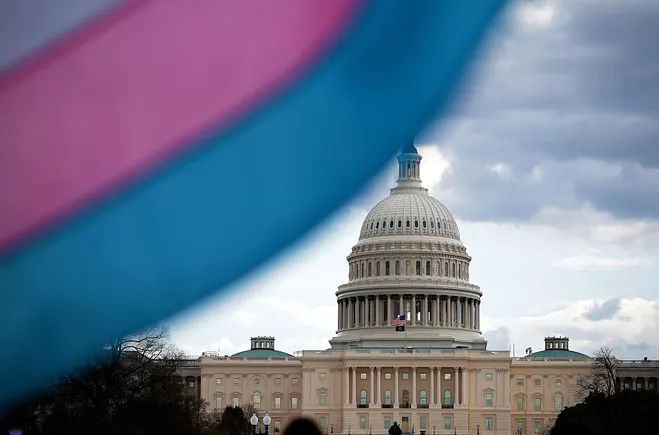
How universities can support transgender students under Trump administration policies
The Trump administration quickly issued multiple executive orders and policy directives after taking office, attempting to revoke the civil rights of transgender and non-binary students and erase their identities, while targeting universities that support transgender inclusion. Despite risks to federal funding and Title IX investigations, legal and transgender rights experts say university leaders can still take various measures to protect these students, including providing gender-affirming care information, simplifying name change processes, strengthening mental health counseling services, and implementing gender-inclusive housing. Research shows that the mental health of transgender students varies significantly across campuses, and university policies may play a key role.

"You can't create an 18-year-old out of thin air": How are universities responding to dramatic demographic shifts?
In 2025, the number of high school graduates in the United States is expected to peak, then enter a long-term decline. Although the metaphor of a "demographic cliff" may be exaggerated, the reduction in traditional college-age students is certain. Universities can alleviate pressure through strategies such as increasing college enrollment rates, improving student retention, and attracting adult students, while also needing to address regional differences and equity issues.
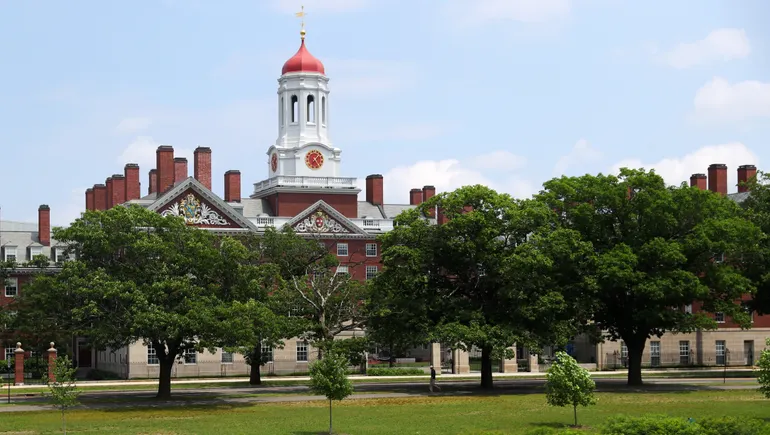
'Cutting Their Own Future': What Raising the Endowment Tax Means for Universities
During Trump's second term, the federal government's financial influence on higher education has primarily manifested as cuts in funding. Now, Republicans are pushing a plan to expand and raise the endowment tax, which could bring new financial pressures. Analysts note that if such proposals pass, they would fundamentally alter the relationship between the government and many nonprofit universities and their donors, and could have practical impacts on student aid, research projects, and institutional operations.

Mass Layoffs at NCES: What Lies Ahead for the National Assessment of Educational Progress in the U.S.?
The Trump administration has drastically reduced the staff of the National Center for Education Statistics (NCES) under the U.S. Department of Education, retaining only a minimal number of employees, effectively paralyzing the agency. The layoffs affect statutory assessments such as the Nation's Report Card and international student assessment programs, sparking widespread concern in the education community about data quality and the loss of institutional knowledge. The Department of Education has stated it will reorganize related agencies, but laid-off staff and experts question the feasibility of such efforts.
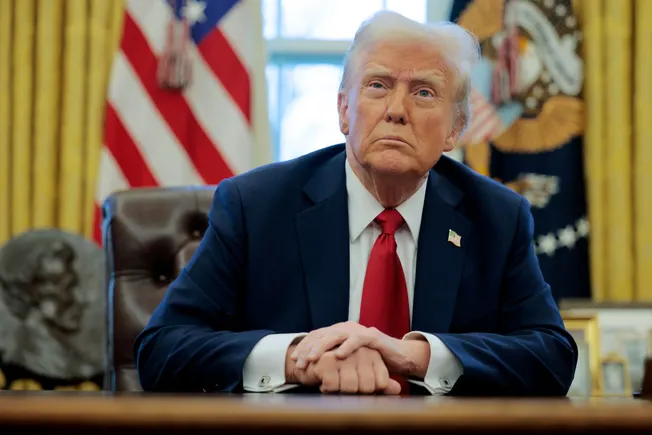
Trump's Four New Policies May Reshape the Landscape of U.S. Higher Education in 2025
After returning to the White House, Trump quickly signed multiple executive orders, from combating campus antisemitism, tightening immigration enforcement, abolishing DEI programs, to redefining gender. These policies are bringing unprecedented compliance pressure and uncertainty to U.S. colleges and universities. Based on public documents and expert opinions, this article analyzes the specific impacts of four core actions on higher education in 2025.
Five Major Litigation Cases to Watch in Higher Education in 2025
In 2025, the U.S. higher education sector may undergo significant changes due to court rulings. This article outlines five notable cases to watch, including DACA, borrower defense, academic publishing antitrust, gainful employment regulations, and the FTC lawsuit against Grand Canyon Education.