
Deep Dive
来自我们记者的行业洞察
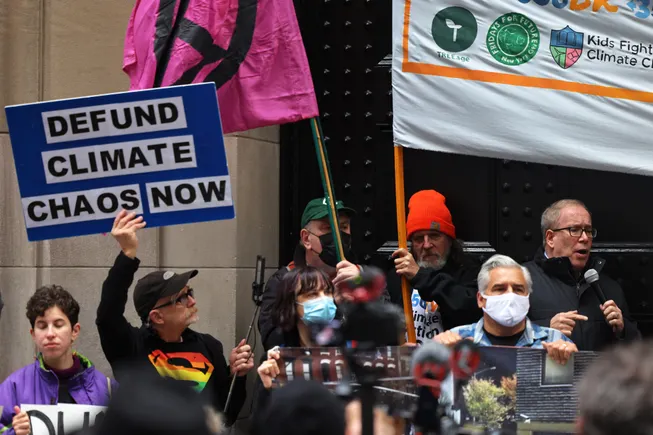
Outlook for University Fossil Fuel Divestment: New Dynamics Amid Market Volatility and Political Pressure
Last year, about 20 universities announced divestment from the fossil fuel industry, and momentum has slowed this year, but experts believe divestment pressure has not subsided. Factors such as market volatility, political backlash, supportive financial data, and student activism are intertwined, making universities more cautious or strategic on the divestment issue. This article synthesizes multiple perspectives to analyze the prospects for divestment.
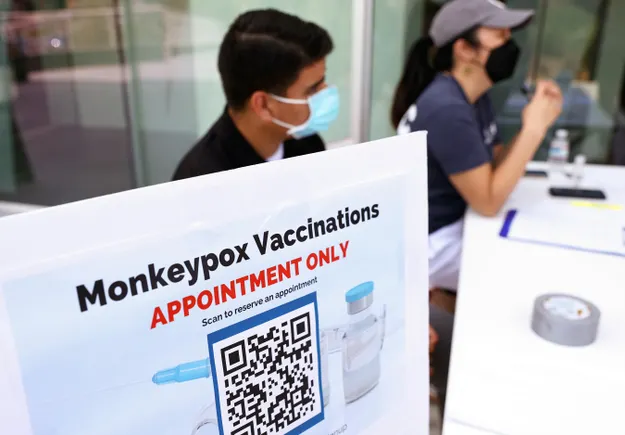
What Colleges Should Know About Monkeypox: Transmission, Prevention, and Communication Key Points
The monkeypox outbreak continues to spread, presenting new public health challenges for U.S. colleges. Although monkeypox is less contagious than COVID-19, the congregate campus environment still poses risks. Experts recommend that colleges plan isolation areas in advance, strengthen symptom monitoring, and conduct inclusive messaging to avoid linking the virus to specific groups. This article synthesizes CDC data, expert interviews, and response measures from multiple institutions to provide practical guidance for colleges.

Colleges Enter Housing Development: High Prices Squeeze Faculty and Staff Living Space
As the U.S. housing and rental market continues to heat up, the cost of living in college towns keeps rising, putting pressure on faculty, staff, and students. Institutions like Middlebury College have begun partnering with developers to build affordable housing, while Long Beach City College and San Jose State University are also exploring their own paths. Experts predict that more and more colleges will venture into housing development.
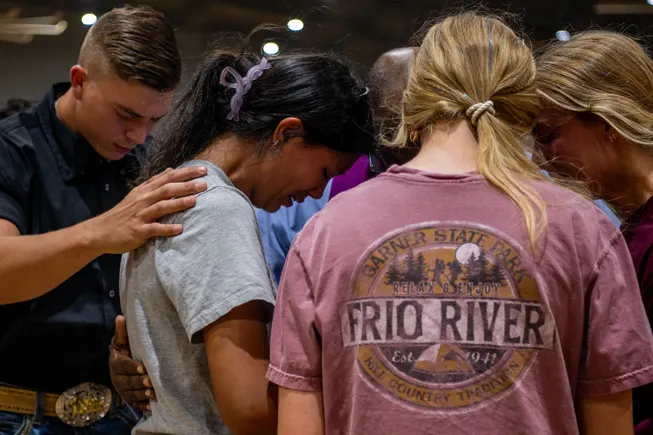
Teachers' Dilemma After Shooting: The Agony of Waiting for the Next Tragedy
Less than 24 hours after the Uvalde school shooting, teachers across the country were forced to resume daily instruction. Through the perspectives of frontline teachers and experts, this article reveals the struggles of the teaching community amid repeated trauma, the student mental health crisis, and the stark reality of worsening teacher attrition.
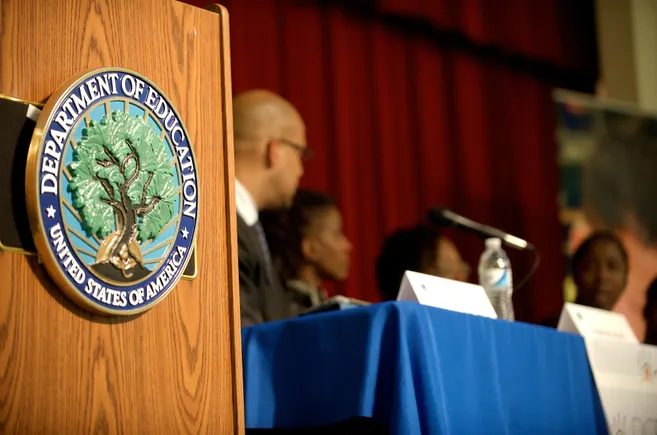
Foreign Donation Reporting Rules Remain Unresolved, U.S. Universities in Policy Fog
Since the U.S. Department of Education released a report in October 2020 accusing universities of failing to disclose billions of dollars in foreign-source funds, compliance disputes over Section 117 of the Higher Education Act have continued to escalate. More than a year into the Biden administration, although it has not continued the Trump administration's tough rhetoric, it has not explicitly closed related investigations or revised policies. University groups point out that the lack of precise guidance leaves institutions in a difficult position, while both chambers of Congress are advancing legislation to lower reporting thresholds and expand disclosure scope.
After being blocked at the federal level, free college programs continue to advance at the state and local levels
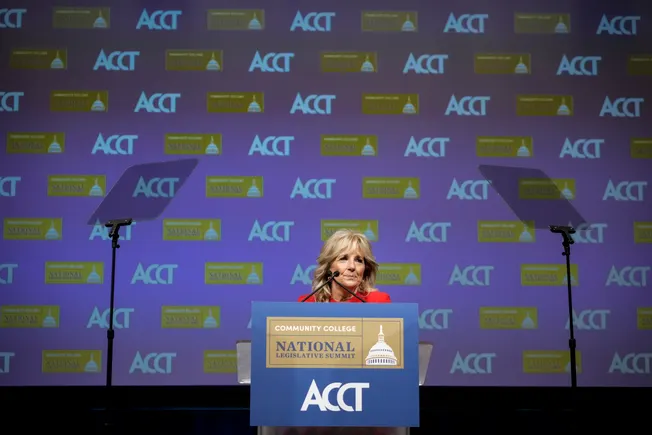
First Lady Jill Biden announced in February that the federal free community college plan had stalled, but the free college movement did not end there; instead, it has been revitalized at the state and local levels. Over the past few months, multiple new initiatives covering tuition and other educational expenses have emerged, ranging from universal programs in New Mexico to targeted programs for specific groups. Analysts point out that the fiscal surplus from the American Rescue Plan and a tight labor market are the two main drivers of this push. However, program eligibility restrictions, administrative burdens on colleges, and potential impacts on non-participating institutions remain ongoing concerns.
Universities Explore New Mechanisms for Renaming Buildings: From Permanent Naming to Periodic Review
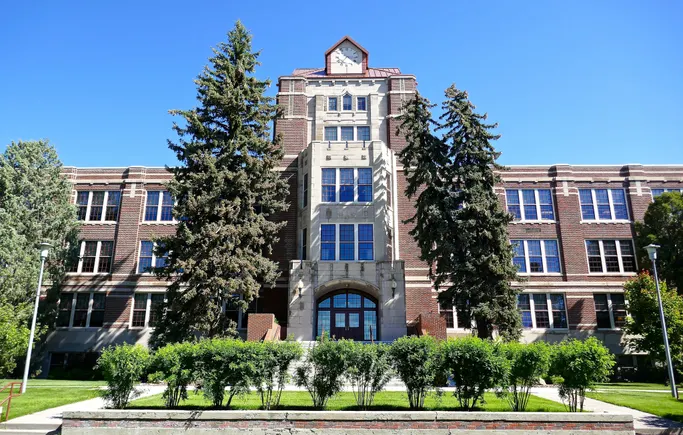
Montana State University Billings initiates a building naming review due to newly discovered historical documents; the University of Minnesota adopts a new policy allowing buildings to be renamed after 75 years or when issues arise. Institutions are establishing more flexible naming evaluation processes.
North Carolina expands $500 tuition program, but can it sustain the cost?
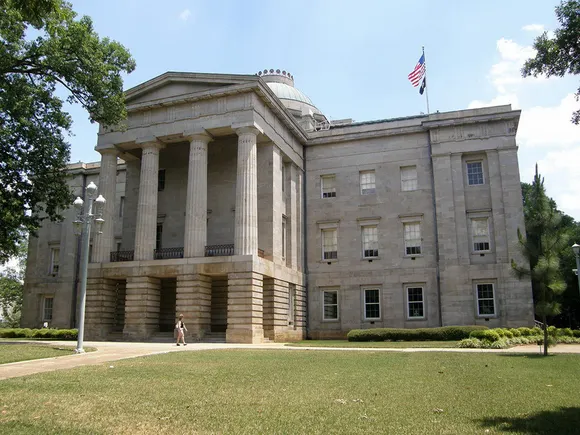
North Carolina is expanding the NC Promise tuition reduction program to a fourth university, which attracts enrollment with a $500 per-semester tuition for in-state students. However, its long-term funding sustainability and economic impact remain to be tested.
Tennessee's Only Public HBCU Gets $318 Million Grant—Can It Close the Historic Funding Gap?
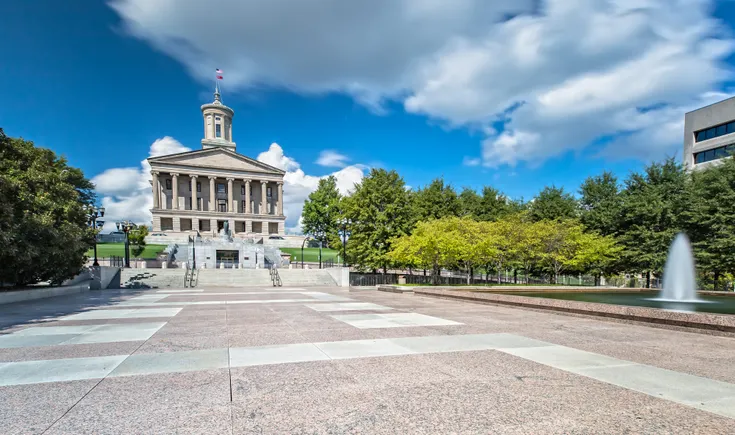
Tennessee Governor Bill Lee has proposed a one-time capital grant of $318 million to Tennessee State University for facility upgrades. However, the university has long faced the issue of the state not fully providing federal matching funds, with historical arrears estimated to potentially reach hundreds of millions of dollars or more. Experts believe that while this grant is necessary, it is insufficient to compensate for the losses caused by long-term underfunding.

Why the University of Arizona Decided to Strengthen Ties with Global Campuses
More than a year after acquiring Ashford University, the University of Arizona is accelerating the integration of its online campus UAGC due to federal financial aid threats. Although the university emphasizes that this move aims to serve working adult students, faculty members have expressed deep concerns about the uncertainty of the integration plan, potential financial burdens, and reputational risks.