
What Colleges Should Know About Monkeypox: Transmission, Prevention, and Communication Key Points
The monkeypox outbreak continues to spread, presenting new public health challenges for U.S. colleges. Although monkeypox is less contagious than COVID-19, the congregate campus environment still poses risks. Experts recommend that colleges plan isolation areas in advance, strengthen symptom monitoring, and conduct inclusive messaging to avoid linking the virus to specific groups. This article synthesizes CDC data, expert interviews, and response measures from multiple institutions to provide practical guidance for colleges.
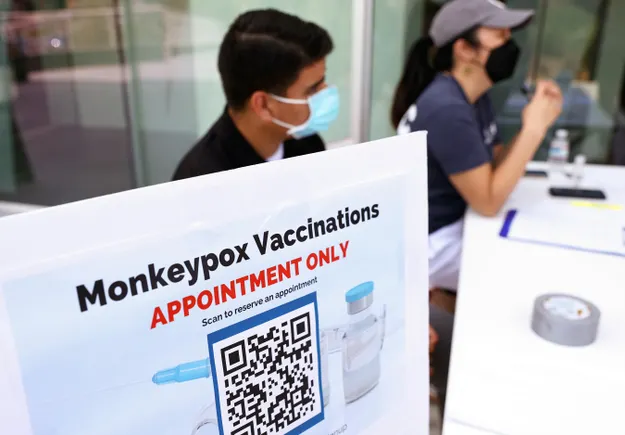
Colleges and universities have spent the past two-plus years dealing with a public health crisis — COVID-19 — that upended their operations and strained their budgets. Now they face a new test: the spread of monkeypox.
Monkeypox is highly unlikely to reach the scale of COVID-19 infections because it is less contagious. However, against the backdrop of a lingering pandemic, widespread public fatigue, and heightened disease awareness, some campuses have already reported confirmed monkeypox cases. As the fall semester approaches, institutions need to prepare for more potential cases.
We spoke with several health experts about how colleges should plan for the new academic year, how to communicate about monkeypox, and how to assess risk factors on campus.
What is monkeypox and how does it spread?
Monkeypox is a rare disease that, until this year, was mainly concentrated in several countries in Central and West Africa. It belongs to the same virus family as smallpox, which was declared eradicated by the World Health Organization in 1980 through vaccination. Monkeypox symptoms are far milder than smallpox and typically involve a rash near the genitals and other parts of the body, such as the face, chest, feet, and hands.
The U.S. Centers for Disease Control and Prevention (CDC) notes that the rash "may initially look like pimples or blisters" and often crusts over before healing. Other flu-like symptoms — such as fever, chills, and swollen lymph nodes — are also common, and the illness typically lasts two weeks to a month. The monkeypox virus in the current outbreak is rarely fatal.
Monkeypox spreads through skin-to-skin contact, contact with contaminated items such as bedding, clothing, or towels, and possibly through respiratory secretions during close contact, though scientists are still studying how often the latter occurs.
How is monkeypox spreading now? Could it spread on campus?
As of Tuesday afternoon, the CDC had confirmed nearly 9,000 monkeypox cases in the United States. The Biden administration declared monkeypox a public health emergency last week.
Currently, monkeypox is spreading primarily among men who have sex with men, often through sexual contact. A study in the New England Journal of Medicine found that among more than 500 confirmed cases across 16 countries between late April and June, 98% were gay and bisexual men, and nearly all cases were suspected to have been infected through sexual activity.
Dr. Amesh Adalja, a senior scholar at the Johns Hopkins Center for Health Security, said that because colleges often place students in close-contact environments, institutions should anticipate potential disruptions from monkeypox. Colleges have historically been breeding grounds for the rapid spread of diseases like flu and meningitis, and most recently COVID-19. Students in close quarters in dorms and classrooms create conditions for disease transmission. However, Adalja noted that COVID-19 is far more contagious than monkeypox.
How should colleges prepare?
Adalja believes that although monkeypox is unlikely to cause outbreaks on campus on the scale of COVID-19, institutions should still designate isolation areas. The isolation period for monkeypox differs from COVID-19 — monkeypox can last up to a month, whereas COVID-19 patients typically need to stay home for at least five days and up to ten.
Because colleges have dealt with COVID-19 and other diseases for years, Adalja said they likely already have ideas for housing infected students. However, Dr. Sarah Van Orman, chief medical officer for student health at the University of Southern California and former president of the American College Health Association, emphasized that communication is the most critical part of current monkeypox response plans.
Van Orman said conveying this message after COVID-19 is complex. Public awareness of disease is high, but colleges need to clearly explain that COVID-19 and monkeypox are vastly different. Additionally, although monkeypox often spreads through sexual contact, it is neither a sexually transmitted infection nor limited to gay or queer communities, and colleges should acknowledge this.
How can messages be effectively communicated and stigma avoided?
Van Orman recommends colleges adopt a "universal messaging" approach. Her institution, USC, has posted monkeypox information on its website and sent notifications containing monkeypox content before the fall semester. Social media can serve as a supplementary tool, but formal institutional statements are more important.
Institutions should also encourage faculty, staff, and students to get tested promptly when symptoms appear, as early detection helps prevent spread. Vaccination after exposure may also reduce severity. Van Orman also suggests colleges partner with organizations serving the LGBTQ community, which is currently most affected, such as contacting campus centers or local LGBTQ student groups to raise awareness.
Colleges should communicate that monkeypox does not only affect men who have sex with men. It has entered that social network, but it can also spread through other populations. The Human Rights Campaign, one of the largest LGBTQ lobbying organizations in the U.S., emphasizes that monkeypox is "not a 'gay disease'" and labeling it as such would hinder outbreak control. The organization notes that gay men are more proactive about sexual health than other groups and can therefore quickly identify and raise alarms about the disease. However, the organization also advises individuals to limit sexual contact if they feel unwell.
What role do colleges play in vaccination?
Colleges can help students access monkeypox vaccines, but the approach may differ from COVID-19 vaccines. Previously, campuses often served as COVID-19 vaccination sites, with governments at all levels pushing for public vaccination. However, monkeypox vaccine supply is extremely limited. The U.S. Food and Drug Administration has approved two vaccines, but they are tightly controlled by the federal government.
Van Orman said that even if colleges do not administer vaccines directly, they can guide students to health agencies that provide them. One vaccine, Jynneos, is newer and given as a routine injection in the upper arm; the other, ACAM2000, is older and unsafe for those with weakened immune systems, skin conditions like eczema, or those who are pregnant. Both vaccines contain live virus, but ACAM2000 can replicate in human cells, and recipients develop a "pox"-like reaction, which Van Orman said is far milder than an actual infection.
Which campuses have reported monkeypox cases?
The following institutions have confirmed monkeypox cases on campus, and more are expected as students return in the fall: the University of Texas at Austin, Bucknell University and West Chester University in Pennsylvania, and Georgetown University and George Washington University in Washington, D.C.
How have colleges publicly responded?
Colleges nationwide have urged faculty, staff, and students to be alert for monkeypox symptoms. Higher Ed Dive contacted several institutions in states with high proportions of monkeypox cases to ask about their prevention and communication plans. A spokesperson for the City University of New York system said in a statement, "As throughout the COVID-19 pandemic, CUNY is committed to providing community members with the most reliable, up-to-date guidance so they can best protect themselves and their families." The spokesperson added that the system is working with local and state health officials.
The State University of New York system said it is closely monitoring monkeypox developments and reviewing CDC guidance. Spokesperson Holly Liapis said in an email: "Our campuses are well prepared to quickly implement necessary health and safety protocols and will maintain close communication with system leadership to provide accurate data and dispel misinformation."
Georgetown University told Higher Ed Dive last week that it had identified two monkeypox cases, and both individuals had been released from isolation and were "doing well." Spokesperson Jason Shevrin said in an email: "The university's public health team will continue to work closely with the Student Health Center and the infectious disease division at MedStar Georgetown University Hospital to identify, test, and manage suspected and confirmed cases."
Can colleges expect new monkeypox guidance?
The American College Health Association has not yet issued guidance, but spokesperson Rachel Mack said "content will be available soon," without providing a specific timeline. Mack said ACHA has met with the CDC to assess the current outbreak and discuss guidance colleges may need.