
Deep Dive
来自我们记者的行业洞察
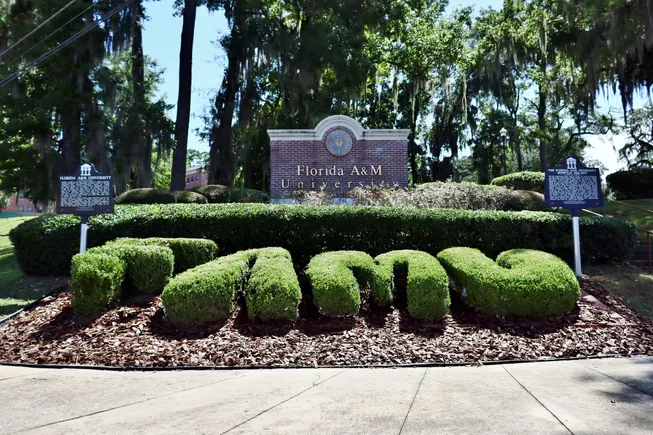
Can the Farm Bill Alleviate Funding Woes for Historically Black Colleges?
The Farm Bill is reauthorized every five years, covering food, agriculture, and funding for land-grant universities. Among them, the 19 historically Black colleges and universities (HBCUs) established under the 1890 Act serve over 117,000 students but have long been underfunded, with a significant gap compared to predominantly white land-grant institutions. Advocates are calling for increased funding shares and waivers of matching requirements, hoping the 2023 Farm Bill can improve the situation.
AI in University Admissions: Efficiency Boost or Bias Solidification?
In 2013, the computer science department at the University of Texas at Austin developed machine learning algorithms to assist graduate admissions, which were abandoned after seven years due to criticism. Now, AI tools like ChatGPT have drawn renewed attention, and some universities and companies are still trying to use AI to optimize admissions processes, but experts warn that it may solidify biases and lack transparency.

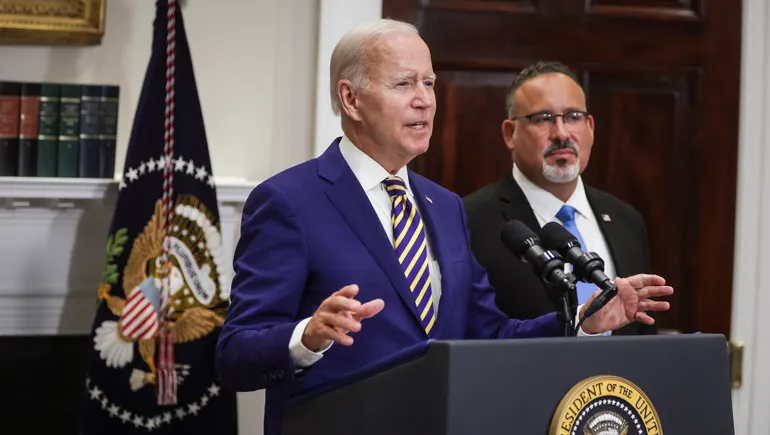
Education Ministry's Proposed Financial Transparency Website Raises Concerns in Higher Education
The U.S. Department of Education's proposed 'gainful employment' rule targets not only for-profit institutions but also plans to launch a financial transparency website covering nearly all higher education programs. Industry representatives worry that its reporting requirements will impose a significant burden, while consumer advocates argue that the measures remain insufficient.
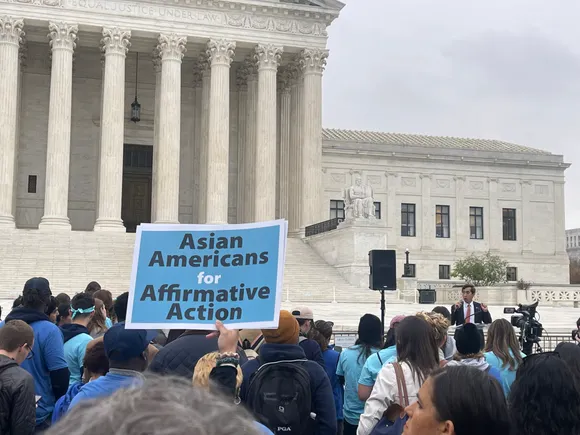
U.S. Supreme Court Rules Race-Conscious Admissions at Harvard and University of North Carolina at Chapel Hill Unconstitutional
The U.S. Supreme Court ruled on Thursday that the race-conscious admissions policies of Harvard University and the University of North Carolina at Chapel Hill are unconstitutional, overturning long-standing legal precedent. The majority opinion, written by Chief Justice John Roberts, held that such policies lack sufficiently coherent goals but allowed universities to consider the specific impact of race on an individual's experience in application essays. Reactions from higher education were mixed, with President Biden calling for continued attention to adversity, and the Department of Education planning to issue guidance on lawful admissions practices within 45 days.
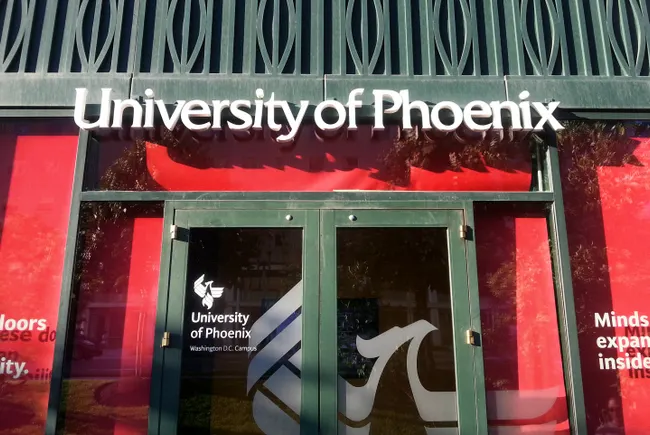
University of Idaho's Acquisition of University of Phoenix: A Wise Move or a Risky Gamble?
The Idaho State Board of Education approved the University of Idaho's $550 million acquisition of the University of Phoenix. Supporters argue this move helps expand educational reach and address declining enrollment, but experts warn the deal faces multiple political, reputational, and financial risks, including the University of Phoenix's past legal disputes, poor student outcomes, and potential debt issues.

California Community College Baccalaureate Pilot Program Sparks Multi-Party Contest
Since its launch in 2017, the California Community College baccalaureate pilot program has expanded to allow up to 30 new programs per year. However, two state legislators recently called for a pause on approving new programs to resolve disputes over program duplication with the California State University and University of California systems. Community college supporters argue that this move would limit students' access to degrees, while critics worry about the diversion of student enrollment. Both sides are divided on issues such as the definition of program duplication, the negotiation process, and geographic restrictions.

George Washington University's Plan to Arm Campus Police Raises Concerns of Racial Violence
Last month, George Washington University (GWU) interim president Mark Righton announced that the Board of Trustees had directed the administration to develop a plan to arm some campus police officers. This move has drawn strong opposition from students and faculty, who worry it could exacerbate racially biased violence and question its necessity and financial transparency. Many universities across the country are facing similar controversies.
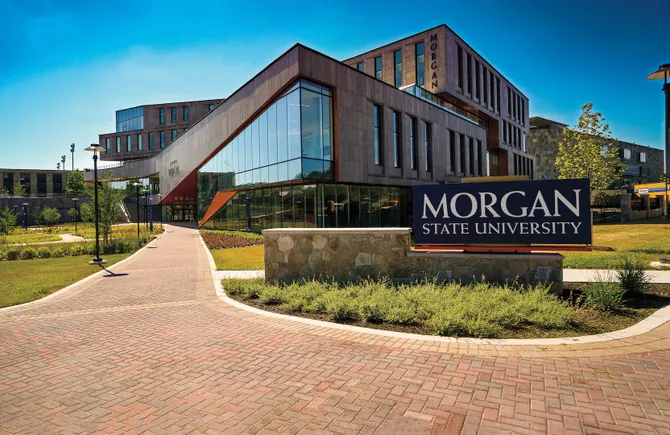
HBCUs Usher in a Wave of Funding: Historic Investments Reshape Development Trajectory After George Floyd Incident
Since the murder of George Floyd in 2020 and the outbreak of the COVID-19 pandemic, historically Black colleges and universities (HBCUs) in the United States have received unprecedented philanthropic and government funding. Spelman College has leveraged federal relief funds and large gifts from donors such as MacKenzie Scott to advance transformative initiatives including student aid and faculty development. This article summarizes federal, state, and corporate funding received by HBCUs, analyzes its impact on institutional operations and long-term development, and notes that despite the significant influx of funds, historical underinvestment still requires sustained support.

Vermont State University's "All-Digital" Library Plan Sparks Controversy: Tradition vs. Transformation
Vermont State University plans to transform its library into an "all-digital" format, no longer purchasing print books for students without special needs, a move that has sparked controversy among librarians, students, and professionals. Supporters view it as a forward-thinking decision, while opponents worry it undermines the learning experience and equity.