
University of Idaho's Acquisition of University of Phoenix: A Wise Move or a Risky Gamble?
The Idaho State Board of Education approved the University of Idaho's $550 million acquisition of the University of Phoenix. Supporters argue this move helps expand educational reach and address declining enrollment, but experts warn the deal faces multiple political, reputational, and financial risks, including the University of Phoenix's past legal disputes, poor student outcomes, and potential debt issues.
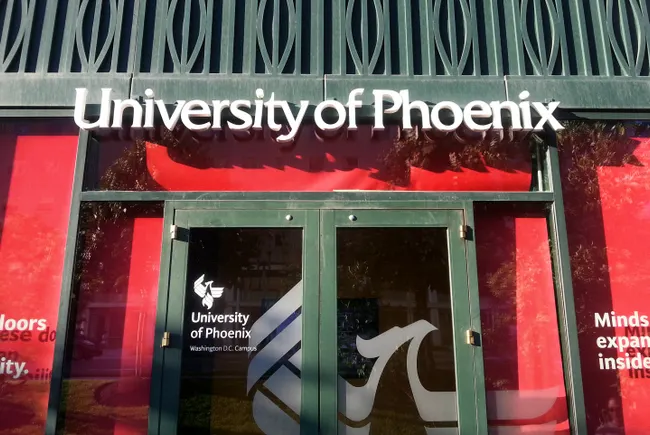
The University of Idaho received approval from the state Board of Education on Thursday to move forward with its plan to acquire the University of Phoenix for $550 million. The University of Phoenix is a for-profit institution whose enrollment has declined sharply amid long-standing allegations of illegal recruitment and marketing practices.
Despite this, members of the Idaho State Board of Education expressed support for the deal, believing that bringing the University of Phoenix, which has 85,000 students, into the University of Idaho system would help expand educational access in the state and mitigate the impact of an anticipated decline in traditional college-age enrollment. The board did not hear public comment during the meeting.
"We're facing a demographic cliff," said board member Kurt Liebich. "We have to be bold and innovative."
However, higher education experts are more skeptical, arguing that University of Idaho leadership will step into a political and reputational minefield as they push the acquisition forward. They will not only need to answer questions about the University of Phoenix's past problems but may also inherit unknown and potentially costly liabilities.
Some issues have already begun to surface. The Idaho Statesman's editorial board wrote on Thursday that the state Board of Education should have delayed its decision on the acquisition, stating the deal was moving too quickly without adequate time for review. News of the acquisition only appeared in the press the day before the board meeting.
"If that means the deal falls through, then let it fall through," the editorial board wrote.
Meanwhile, several national higher education advocacy groups and critics of for-profit institutions urged the University of Idaho's board of regents in a letter on Thursday to further investigate whether the deal is worth pursuing, given the University of Phoenix's poor record on student outcomes and allegations of deceptive recruiting practices.
The for-profit institution faces a series of lawsuits and government investigations, including a $191 million settlement with the Federal Trade Commission in 2019 involving allegations of deceptive advertising.
Higher education experts expect further opposition from critics of for-profit institutions and others to intensify.
"I hope they're ready for the massive campaign against approval that's about to begin," said Phil Hill, an education technology consultant and market analyst. "Opponents will go to great lengths to stop this deal."
What does the deal entail?
The Idaho State Board of Education approved the University of Idaho's creation of a nonprofit corporation called NewU to acquire the University of Phoenix. The University of Idaho, which enrolled about 11,000 students in fall 2021, plans to finance the deal by selling $685 million in bonds—meaning the funds will not come from the university's budget.
Most of that money—$550 million—will go toward the purchase price of the for-profit institution, with the remainder used for the new company's working capital and reserves, as well as costs associated with issuing the bonds. The owners of the University of Phoenix plan to inject $200 million in cash into the new company.
The proposal requires the nonprofit company to remit $10 million annually to the University of Idaho.
According to the University of Idaho, the acquisition is expected to close early next year. Both the U.S. Department of Education and the accrediting bodies of both institutions must approve the acquisition.
As part of the deal, the University of Idaho expects to convert the University of Phoenix from a for-profit institution to a nonprofit entity. However, this process is not as simple as transferring ownership of the institution to a nonprofit corporation.
The Department of Education must approve the change, and the agency may scrutinize such deals more closely after new rules take effect in July. The agency has also not always approved such conversions in the past.
Take Grand Canyon University, for example. In 2018, it separated from a for-profit company, with a nonprofit corporation taking over ownership. As part of the deal, Grand Canyon University asked the Department of Education to convert it from a for-profit to a nonprofit institution.
But the Department of Education denied the request in 2019, citing ongoing financial relationships between the university and its former for-profit owner. The department's decision meant that, despite being recognized as a nonprofit by the IRS, the university still had to comply with federal financial aid rules applicable to for-profit institutions.
Unlike the University of Phoenix acquisition, that deal did not appear to include ongoing financial relationships with the current owner—private equity firm Apollo Global Management. But higher education experts still say the planned nonprofit conversion is not guaranteed to be smooth.
"I can easily see it being similar to the Grand Canyon University conversion, with the IRS giving one ruling and the Department of Education giving another," Hill said.
University of Phoenix spokesperson Andrea Smiley said via email that the institution is aware the deal must comply with the Department of Education's new rules on nonprofit conversions and plans to work with all regulators to ensure they receive the information they need.
"Unlike other recent conversions of for-profit universities to nonprofit status, there will be no private beneficiaries, former owners, or for-profit affiliates remaining associated with the university in the future," Smiley said.
The Department of Education declined to comment on the deal and the potential nonprofit conversion.
Is it a surefire deal?
University of Idaho officials have been promoting the proposal as a way to infuse funds into the public institution and invest in improving student outcomes.
"This affiliation will diversify our revenue streams, bring greater financial stability to providing educational opportunities, and generate positive annual cash flow," University of Idaho President C. Scott Green said at Thursday's board meeting. "Operational success can be reinvested in all students, providing greater access and success."
In addition to the $10 million per year, the University of Idaho could receive up to 30% of the University of Phoenix's net cash flow, depending on its performance that year.
Brian Foisy, the University of Idaho's vice president for finance and administration, told board members Thursday that from now through fiscal year 2030, the university expects to generate between $150 million and $170 million in revenue from the deal.
However, Foisy also said that if the University of Phoenix is unable to repay the bonds, the University of Idaho would commit to paying nearly $10 million annually to cover its bond repayments. If needed, the University of Idaho would also provide the institution with a line of credit of up to $25 million from its strategic initiatives fund.
"The university is essentially taking on the responsibility of repaying these bonds," said Beth Stein, senior advisor at The Institute for College Access & Success, a nonprofit focused on student advocacy and research. "That's an enormous vote of confidence in operational financial success." TICAS is one of the organizations that advised caution on the deal.
But the potential risks are not limited to covering bond repayments.
The University of Idaho will also have to contend with potential reputational damage from the University of Phoenix's past legal troubles and its still-poor student outcomes.
In 2019, the owners of the for-profit institution agreed to pay a $191 million settlement after the Federal Trade Commission alleged it misrepresented relationships with major employers like Microsoft and Twitter through deceptive advertising. The FTC said the ads led students to believe these companies had partnered with the University of Phoenix to create job opportunities after graduation.
According to federal data, the University of Phoenix also has poor student outcomes. The University of Phoenix-Arizona campus, where students are almost entirely online, has a graduation rate of just 14%.
The for-profit institution reports student data to the Department of Education across multiple operating units in states such as Arizona, California, and Texas. The institution has been steadily closing its physical campuses.
In a frequently asked questions document about the deal, the University of Idaho acknowledged these issues, stating that new ownership in 2017 prompted the University of Phoenix to increase investment in student support and improve its business practices.
But consumer advocates remain concerned about these issues and worry they could translate into future financial liabilities. Barmak Nassirian, vice president for higher education policy at Veterans Education Success, believes the new owners of the University of Phoenix could be held responsible for borrower defense cases. Veterans Education Success is part of a coalition that signed the letter urging the University of Idaho to scrutinize the deal more closely.
Borrower defense repayment rules allow the Department of Education to discharge federal student loans for students defrauded by institutions. In some cases, the department can seek reimbursement from institutions—a path it is attempting to take against for-profit DeVry University.
University of Idaho President Green said his school is prepared to sign a contract with the Department of Education known as a Program Participation Agreement.
Signing the PPA essentially means the University of Idaho would also assume financial responsibility for issues with the University of Phoenix's federal financial aid, including borrower defense claims.
University of Idaho spokesperson Jodi Walker said the university has taken "reasonable safeguards to limit our risk regarding past conduct." Green also told the board that the university is seeking financial protections and insurance contracts for this purpose.
However, given the University of Phoenix's history, Nassirian said he has little hope the acquisition will change its public image.
"If they can somehow obscure the fact that this is really Phoenix, they might gain a little credibility in the market in the short term," Nassirian said. "But it won't be long before the product itself tarnishes its own reputation."