
Deep Dive
来自我们记者的行业洞察
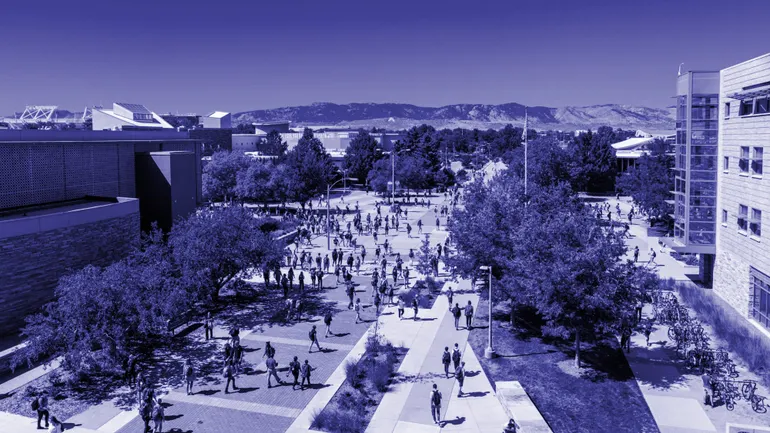

Seven Major Trends in Higher Education for 2024
In 2024, U.S. higher education begins amid financial pressures, political maneuvering, and policy adjustments. From the delayed rollout of the new FAFSA form, accelerated college mergers and layoffs, to legislative restrictions on DEI programs in multiple states, litigation against several Biden administration policies, debt crises in edtech companies, generative AI entering admissions processes, and the ongoing impact of the Supreme Court's affirmative action ruling, this article outlines seven major higher education trends worth watching this year.

Can universities seek to get rid of expensive textbooks?
West Texas A&M University once announced significant reductions in textbook costs, but the plan was adjusted due to being overly ambitious. Open Educational Resources (OER) are regarded as an important way to replace expensive textbooks, reducing student costs and improving academic performance, but implementation requires overcoming challenges such as faculty workload and insufficient funding. This article reviews the progress, cases, and controversies of OER.

Direct Admission Becoming a Trend: How U.S. Colleges Use 'Automatic Admission' to Solve Enrollment Challenges
Direct admission policies are being gradually implemented across multiple U.S. states and colleges, aiming to increase college enrollment rates. Idaho pioneered the approach in 2015 with notable results but existing disparities; the Common App piloted it in 2021, and it has recently expanded to 70 institutions. Experts note that such policies need to be combined with financial aid and support measures to effectively overcome barriers to student enrollment.
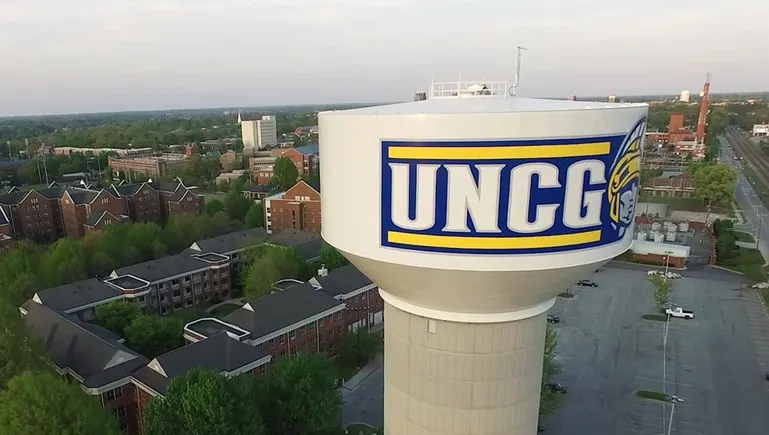
Academic Program Cuts Loom at UNC Greensboro, Faculty Question Necessity
The University of North Carolina at Greensboro (UNCG) plans to announce academic program cuts in January 2024 due to declining enrollment and market competition pressures. However, faculty organizations at the university have questioned the administration's assessment methods and commissioned an independent audit, which concluded that the university's finances are healthy. The public rift between the chancellor and faculty organizations has intensified campus uncertainty.
"Affirmative Action for the Wealthy": Why Early Decision Admissions Are Controversial
Early decision admissions policies at highly selective U.S. universities are facing questions of fairness. Data shows that students from affluent backgrounds apply early decision at significantly higher rates, and the share of early decision admits in total enrollment at some institutions continues to rise. Despite ongoing criticism, most universities still rely on early decision to secure their incoming classes. After the Supreme Court struck down race-conscious admissions in 2023, policy adjustments have not materialized on the scale expected, with Virginia Tech being a rare exception.

Legacy admission controversy persists, but related data remains difficult to be accurate
Universities such as Boston University have made contradictory statements on legacy admission policies, highlighting the lack of unified standards and transparency in U.S. college admission data.
The Rise of Tuition Reset: How Effective Are the Strategies?
In recent years, many private universities in the United States have adopted a "tuition reset" strategy, significantly lowering their published tuition prices to match the amounts students actually pay. Supporters argue that this can improve enrollment rates and fairness, but research indicates that its long-term effects are limited, and not all institutions can use it to reverse financial difficulties. Based on case studies of multiple institutions and expert analysis, this article evaluates the applicability and risks of this strategy.
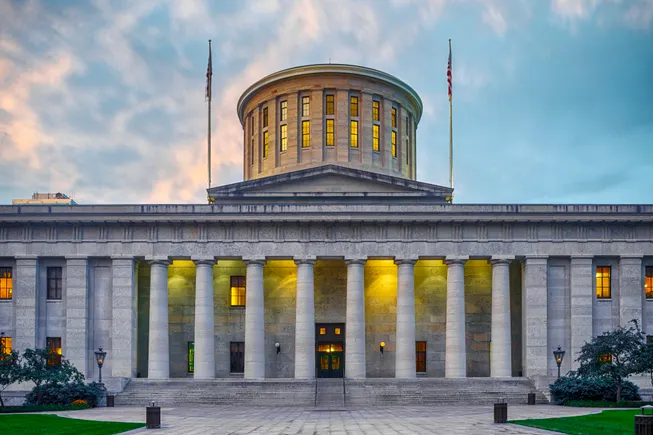
Ohio Republicans Move to Push Revised Bill Restricting University DEI Programs and Faculty Strikes
Ohio Republican lawmakers plan to advance a revised version of Senate Bill 83 when the legislature reconvenes, a bill aimed at restricting DEI training at public universities, prohibiting institutions from taking positions on controversial topics, and limiting faculty strike rights. The revised version allows universities to be exempt from DEI requirements in specific funded projects and narrows the strike ban to faculty only. Education groups and free speech advocates remain strongly opposed, arguing the bill would have a chilling effect and harm higher education.
Algorithmic Intervention in Financial Aid Allocation: How U.S. Universities Balance Fairness and Revenue
U.S. universities are increasingly using algorithms to determine the amount of financial aid awarded to admitted students, aiming to optimize resource allocation and net tuition revenue. Proponents say algorithms help balance enrollment and income, but critics worry that algorithms may perpetuate human bias and lack sufficient oversight. Experts suggest that universities should use them cautiously and employ data talent for supervision.