
Deep Dive
来自我们记者的行业洞察

The AI Wave Reshapes the Workplace: The Value of Liberal Arts Education Comes to the Fore
In recent years, demand for liberal arts education has declined as students favor career-oriented courses, but multiple technology and university experts point out that as companies deploy AI tools, liberal arts graduates will become more sought after. Employers need talent to think about technology ethics and unintended consequences, improve chatbot instructions, or handle customer service disputes that AI cannot resolve. Scholars urge university leaders to proactively respond to AI-driven changes in the workforce.
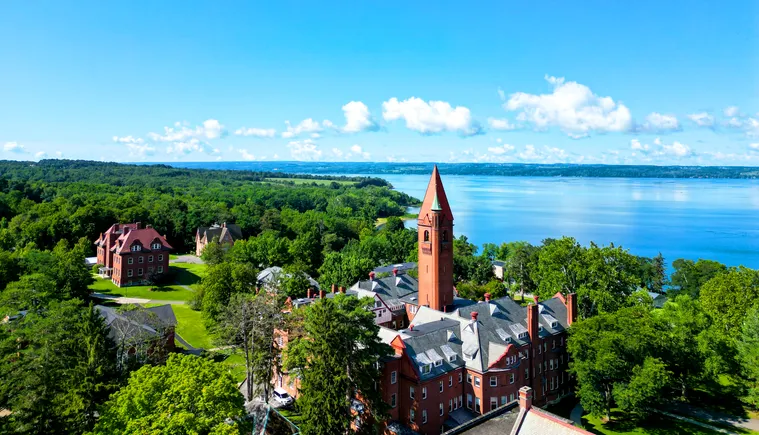
"We Can No Longer Cut Costs": Can Colleges Recover from the Inflation Shock?
Inflation continues to impact U.S. higher education, with multiple colleges announcing closures or facing financial distress. Although the higher education inflation rate eased in 2023, costs remain well above pre-pandemic levels. Through analysis of HEPI indicators, college budget cases, and expert perspectives, this article explores how colleges can seek survival and development under the dual pressures of constrained revenue growth and escalating costs.
'Like climbing Mount Everest': Financial aid professionals describe a grueling FAFSA season
Over the past few months, financial aid offices at institutions like Saint Louis University have been forced to complete months' worth of work in just weeks due to technical glitches and delays in the rollout of the new FAFSA form. Financial aid administrators nationwide report widespread frustration and exhaustion, with the industry facing staff attrition and hiring difficulties. Although the Department of Education has taken remedial steps, professionals worry that if the process remains problematic next year, the issues will intensify.
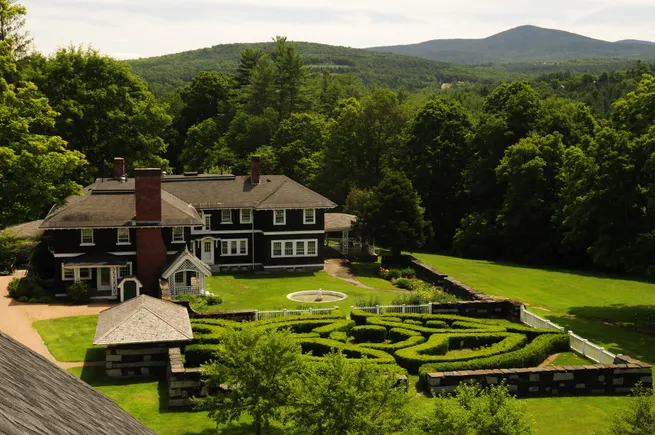
The Final Chaotic Days of Goddard College: An Insider's Perspective
Goddard College announced its permanent closure in April 2024, catching many faculty members off guard. Through the firsthand experiences of several teachers, this article reveals the chaos, lack of information, financial difficulties, and long-standing governance conflicts surrounding the closure announcement.
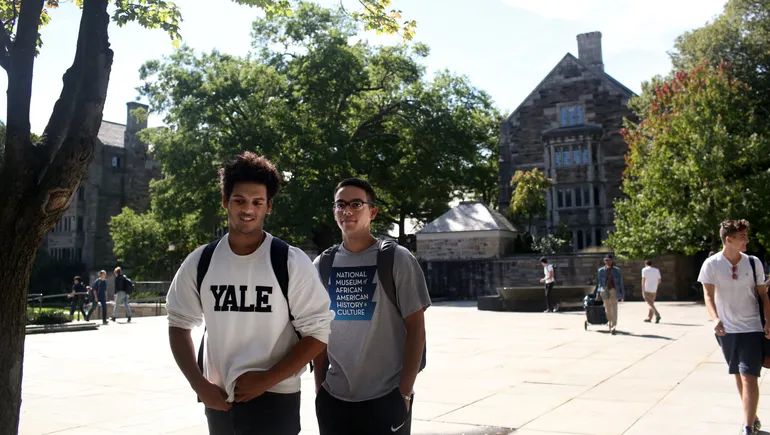
Where Is the Test-Optional Policy Headed? Elite Institutions' Return to Exam Requirements Sparks Industry Reflection
Earlier this year, elite institutions like Yale reinstated standardized test requirements, sparking discussions about the future of the test-optional movement. Supporters argue that tests help identify outstanding applicants from disadvantaged backgrounds, while opponents emphasize that optional policies can promote diversity. This article reviews both perspectives and the latest data.
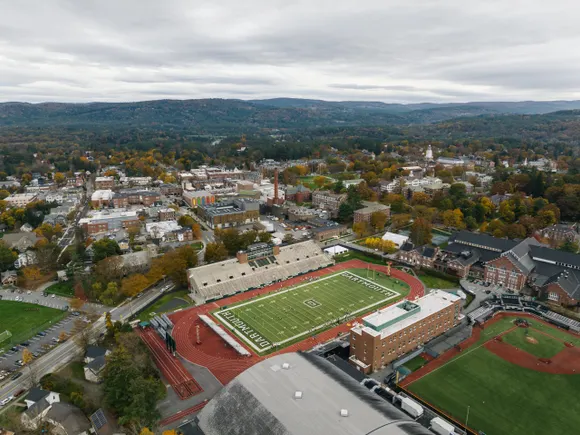
Dartmouth College spends $500 million to advance campus sustainability. Will other universities follow suit?
Dartmouth College announced a $500 million investment in campus sustainability, focusing on converting its heating system from steam to hot water, supplemented by technologies such as geothermal heat pumps and solar power, with goals of reducing emissions by 60% by 2030 and achieving net-zero emissions by 2050. The investment accounts for a quarter of its capital improvement plan and is the largest sustainability commitment in the institution's history. However, most U.S. universities face budget pressures, and sustainability progress varies. Experts recommend advancing emission reductions through low-cost measures such as temperature control, building retrofits, and reducing travel.
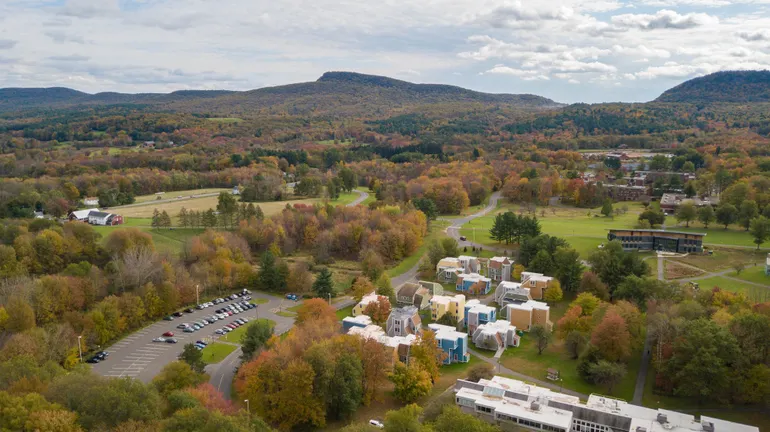
Five Years After Nearly Closing, Hampshire College Is Gradually Moving Toward Financial Sustainability
After the 2019 financial crisis, Hampshire College has gradually restored enrollment and financial balance by eliminating traditional departments, focusing on global issue curricula, and launching a $60 million fundraising campaign. President Edward Wingenbach expects to eliminate the budget gap by 2026. Experts believe its principle of 'focused distinctiveness' can be adopted by other institutions.
Why Are Some Historically Black Colleges and Universities Experiencing an Enrollment Surge?
In recent years, enrollment at some Historically Black Colleges and Universities (HBCUs) has grown significantly, contrasting with the overall downward trend in higher education nationwide. This article analyzes multiple factors, including adjustments in admissions strategies, changes in the sociopolitical environment, and historical opportunities.
Multiple states relax degree requirements; is the value of a four-year degree changing?
Since Maryland became the first state to remove four-year degree requirements for thousands of government positions in March 2022, at least 19 states have followed suit. The policy aims to fill job vacancies, but experts believe the weight of degrees in hiring and compensation is unlikely to decline in the short term. This article reviews the policy drivers, labor market data, and various perspectives.
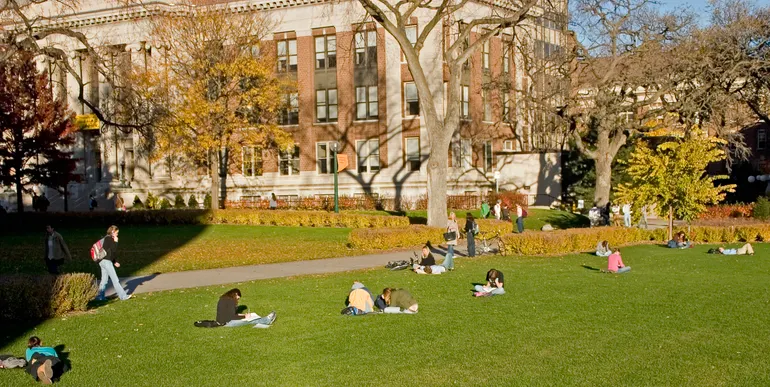
Three State-Level Policy Trends Shaping U.S. Higher Education in 2024
In 2024, U.S. higher education faces three major state-level policy trends: multiple states legislating restrictions on university DEI programs, some states making FAFSA completion a high school graduation requirement, and more states removing four-year degree requirements for state government positions. These policies, driven by conservative forces or stemming from labor market demands, will have profound impacts on university enrollment, finances, and governance.