
Deep Dive
来自我们记者的行业洞察
A new site tracks foreign gifts to colleges. Is it misleading?
The U.S. Department of Education launched an online platform this year, disclosing data on foreign donations and contracts reported by universities under Section 117 of the Higher Education Act since 1986, with cumulative amounts exceeding $72 billion. However, education experts point out that the platform fails to annotate key context such as time ranges and funding purposes, which may cause misunderstandings, and they worry it could be used as a political tool.
The state of international enrollment in 6 charts
International student enrollment at U.S. universities is facing severe challenges. Data show that before the Trump administration returned to the White House, new international student enrollment had already declined; after continued policy tightening, issues such as visa revocations, declining application numbers, and shrinking enrollment from multiple source countries have compounded, putting pressure on university finances and enrollment prospects. This article uses six key data charts to outline the structural changes in international student flows and their impact on universities.
How can colleges teach students to have challenging conversations?
Against the backdrop of some universities attempting to restrict discussions of sensitive topics in the classroom, institutions like Marquette University are systematically developing students' capacity for difficult conversations through required courses and dialogue programs. This article reviews related practices, outcomes, and challenges.
Why GSA’s anti-DEI certification is raising alarm in higher education
In January, the U.S. General Services Administration (GSA) proposed requiring all federal fund recipients, including universities, to certify compliance with the government's anti-DEI executive orders and guidance, or face the potential loss of all federal funding. The proposal has sparked strong opposition in higher education, with multiple groups urging its withdrawal and anticipating legal challenges. Experts note that the certification requirements may involve issues such as personal liability and conflicts with state laws, raising doubts about their legal foundation.
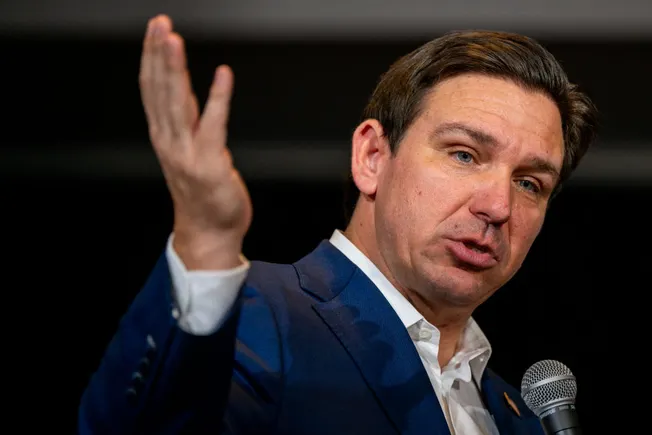
State lawmakers eye accreditation policy changes as new agency forms
Multiple Republican-led states are pushing legislation to allow public universities to shift to accreditation by the newly established Council for Public Higher Education (CPHE). Funded by Florida and the Trump administration, the body's governance model raises concerns over conflicts of interest and academic freedom. CPHE plans to apply for federal recognition by the end of 2027, with 10 institutions already joining its initial accreditation cohort.
Colleges ramp up offerings to teach students to be AI ethicists
With the widespread application of artificial intelligence across various industries, many U.S. universities have launched AI ethics courses, certificates, and master's programs, aiming to cultivate professionals capable of identifying and mitigating AI risks. Institutions such as San Francisco State University, the University of Florida, and Baylor University have successively offered related courses, emphasizing interdisciplinary education to address the ethical challenges posed by AI.

What can financial metrics actually tell college leaders about their programs?
Universities nationwide face budget pressure, and administrators commonly attempt to use financial metrics to decide whether to keep or eliminate programs. However, issues such as cost allocation, revenue attribution, and cross-subsidization of research funding make accounting far from an exact science. The controversy over cuts at the University of Nebraska-Lincoln and legislative mandates in Ohio and Indiana highlight the limitations of metrics and their conflict with educational missions.

Inside the ‘minefield’ of Indiana’s intellectual diversity law
Indiana University has disciplined at least two professors under state law SB 202, raising concerns about academic freedom and freedom of speech. The law requires public universities to establish complaint systems and periodically review tenured professors. Critics argue the law is vague and suppresses dissent, while supporters say it ensures students are exposed to diverse viewpoints.
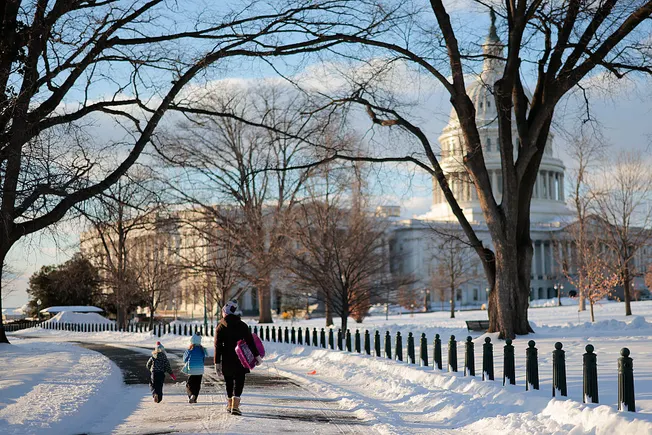
Congress gives green light to Education Department interagency agreements, but with reservations
The U.S. Congress passed the Department of Education's fiscal year 2026 budget without prohibiting interagency agreements, but a bipartisan statement strongly opposes transferring core programs to other federal agencies.

International student enrollment under pressure, how are US universities responding?
US universities are facing pressure in international student enrollment. Although overall enrollment numbers remain stable, the Trump administration's visa and immigration policies have led to a noticeable decline in new student registrations. Universities are responding by expanding source countries and offering flexible admission options.