
Opinion

Not enough students know about work-based learning opportunities
Young Americans face a challenging job market, yet many students and parents lack awareness of alternative pathways such as work-based learning or view them as inferior choices. Karen Gardiner, an expert at the Urban Institute, writes that policymakers, educators, and researchers should break the notion that a four-year degree is the only option by showcasing the tangible outcomes of programs like apprenticeships and industry training, helping high school students recognize more viable career development choices.

Higher education must be rebuilt to restore public trust. Here’s how.
A recent Yale University report acknowledges that public trust in higher education is declining and that universities bear responsibility. The American Association of University Professors and the American Federation of Teachers have jointly launched a policy agenda calling for systemic changes such as free education, safeguarding faculty rights, and democratic governance to rebuild higher education as a public good, thereby winning back public trust.
Why colleges should embrace program depth over breadth
U.S. community colleges face financial pressures, and Colorado's Aurora Community College, through a comprehensive academic portfolio review, eliminated over 30 degree and certificate programs, shifting focus to high-demand fields to promote economic mobility through program depth.
Why NYU and SUNY are teaming up to measure higher ed reforms
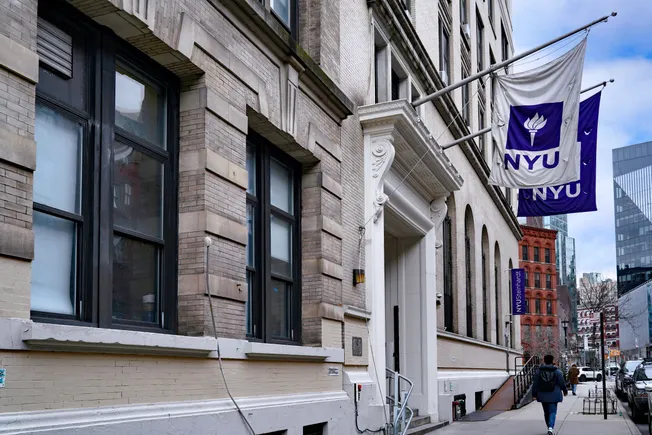
New York University (NYU) President Linda G. Mills and State University of New York (SUNY) Chancellor John B. King Jr. jointly announced that the two institutions will create the Higher Education Design Laboratory to systematically evaluate the actual impact of various interventions on students' post-graduation adaptability and long-term development. The laboratory will initially focus on the two institutions themselves, with plans to expand to more universities, research centers, and government partners in the future.
Entry-level jobs should be entry level
Cindy Meis, Director of Career Services at the Tippie College of Business, University of Iowa, points out that 61% of 'entry-level' positions require more than three years of experience, which is not truly entry-level. She advocates distinguishing between 'entry-level' and 'early-career' positions and recommends that employers recognize experience students gain from internships, student organizations, and project work, to remove hiring barriers.

Four ways chief online learning officers can move innovation forward
In the post-pandemic era, online learning has become a cornerstone of higher education. Data shows that in fall 2023, 54% of U.S. college students enrolled in at least one online course. Facing sustained demand growth, Chief Online Learning Officers (COLOs) need to drive innovation across four areas—professional expertise, strategic alignment, student support, and quality assurance—to promote institutional sustainability.
Don’t let polarization undermine the vital role colleges play in the US
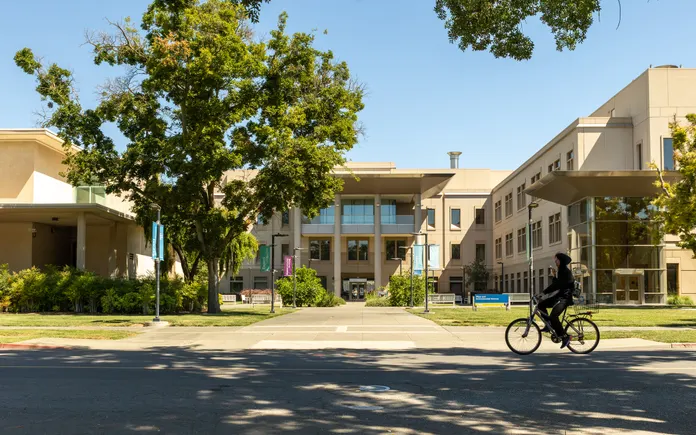
American higher education is facing skepticism from all sides, but public universities remain engines of individual success and national prosperity. UC Davis Chancellor Gary May points out that universities need to increase transparency and support in admissions, return on investment, and debt issues, while resisting polarizing rhetoric to safeguard educational investment.
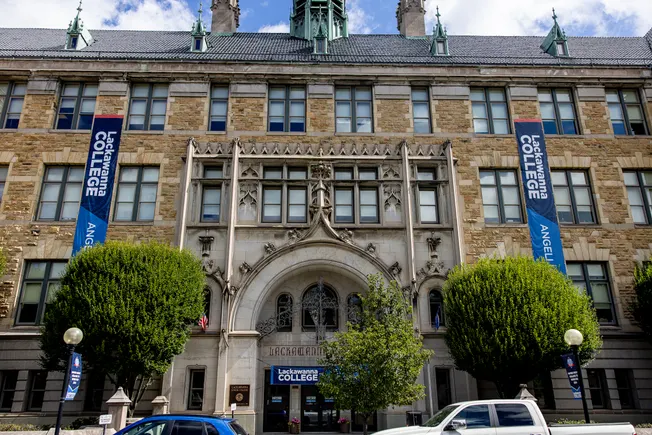
Lessons from a college merger on higher education’s next chapter
Lackawanna College President Jill Murray uses the merger of her college with Pierce College as an example to illustrate how higher education can achieve transformation through collaboration amid regulatory, financial, and enrollment pressures. She highlights three key points: mission alignment, intentional growth, and embracing innovation, emphasizing that institutions must proactively break conventions to serve students and communities.
The Senate’s higher ed measures are a good start. Here’s what could improve them.
The higher education coordination bill recently passed by the U.S. Senate proposes a reform framework addressing issues such as complex student loan repayment, excessive graduate borrowing, and low federal aid eligibility standards. The author of this article believes the bill is a good start, but there is still room for improvement in accountability for high-cost, low-value programs, inclusion of certificate programs, and debt-to-income ratio metrics.

College rankings don’t fully capture institutions that serve post-traditional students
University ranking lists generally use fall-enrolled, full-time, first-time students as the data baseline, causing a large number of non-traditional students—such as those studying while working, enrolling after gaps, or learning entirely online—to be systematically overlooked in evaluation systems. The president of Colorado State University Global points out that current IPEDS and CDS metrics can only cover about half of the non-traditional student sample, making it difficult for online institutions to receive fair representation in "best college" rankings. As the labor market's demand for skill updates surges, reforming institutional performance reporting standards has become urgent.